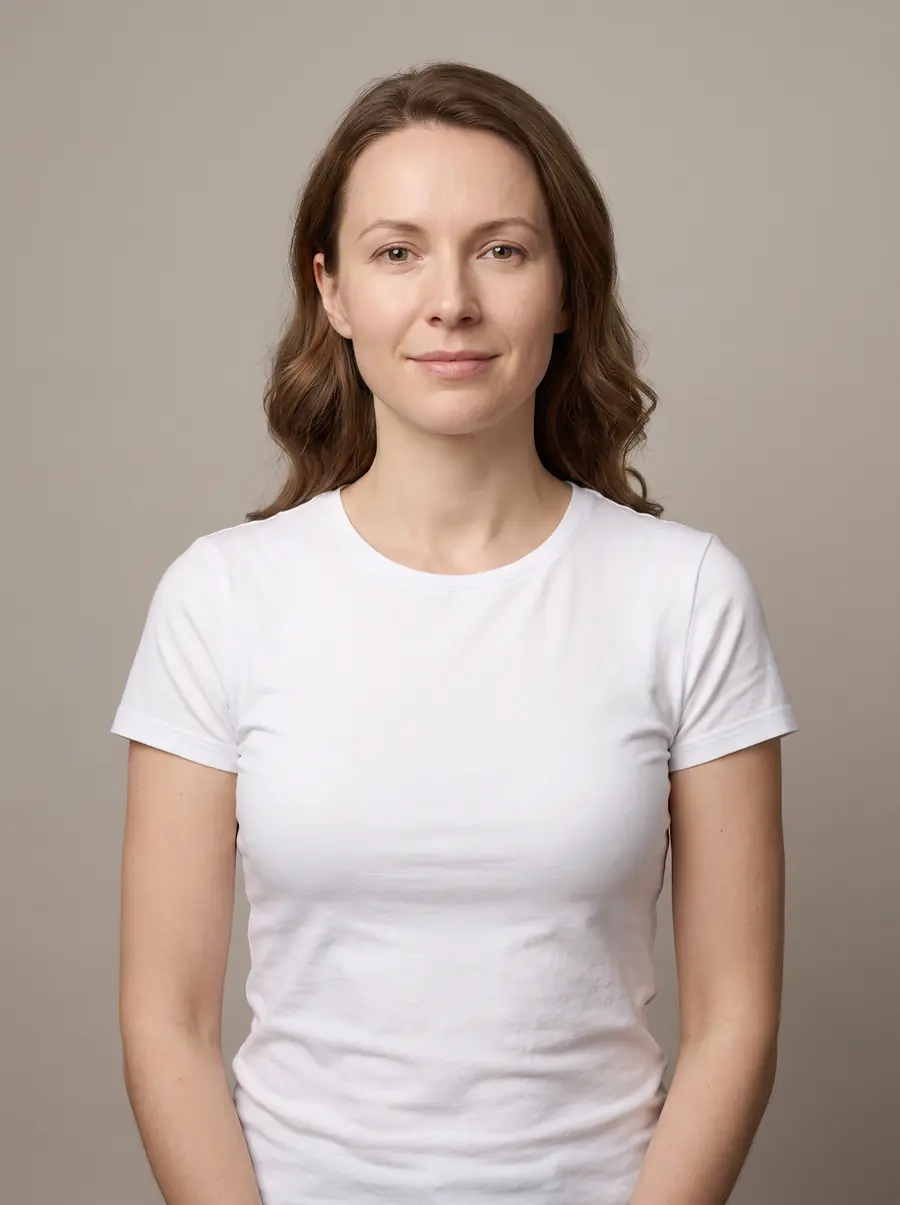
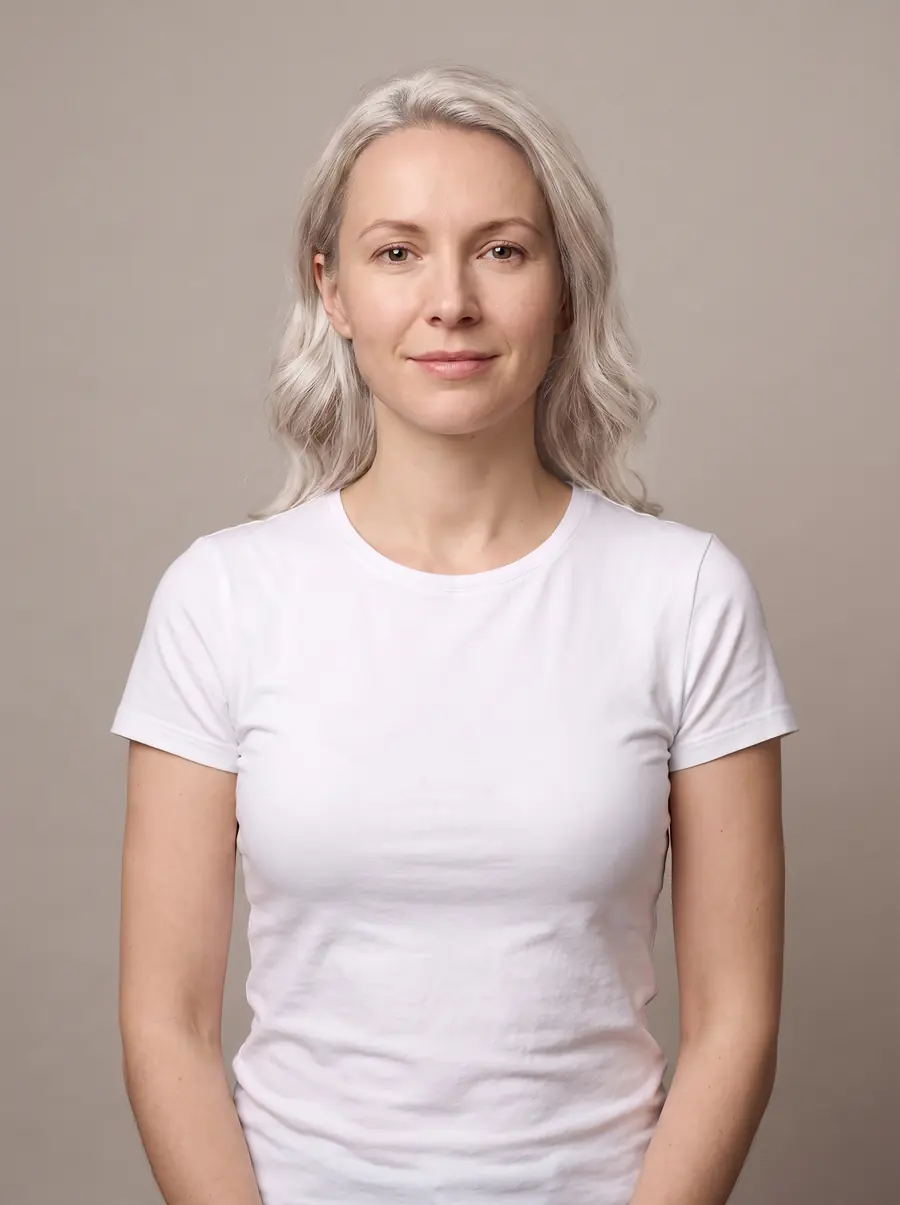
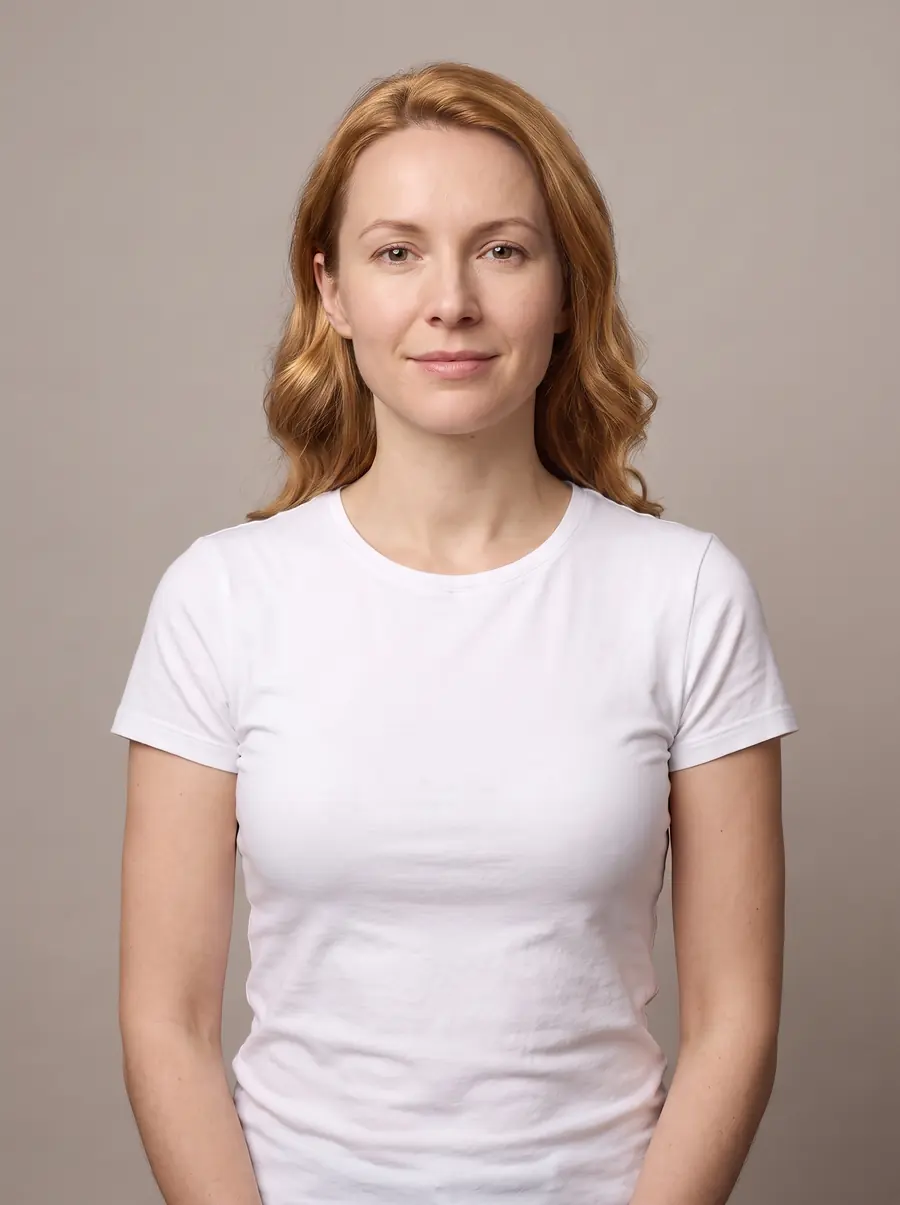
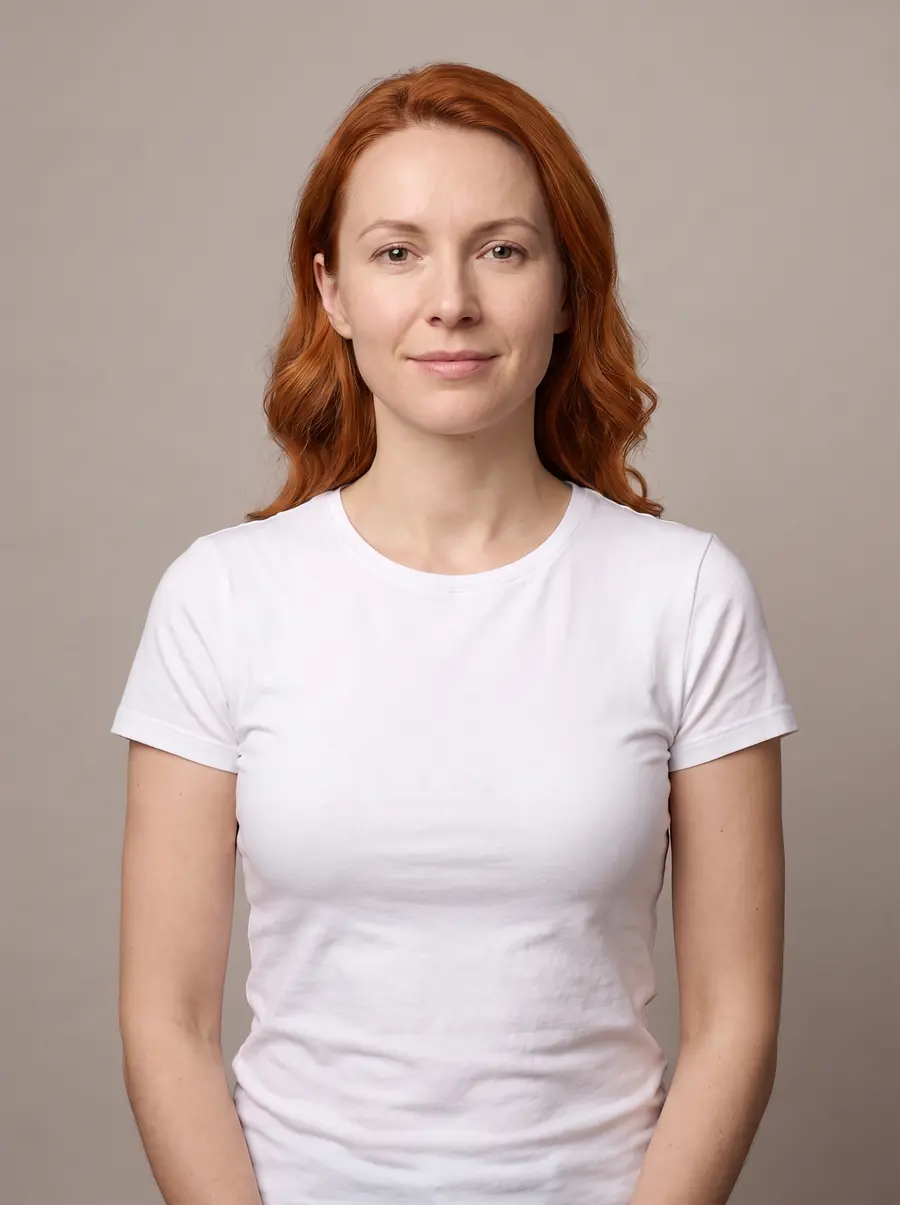
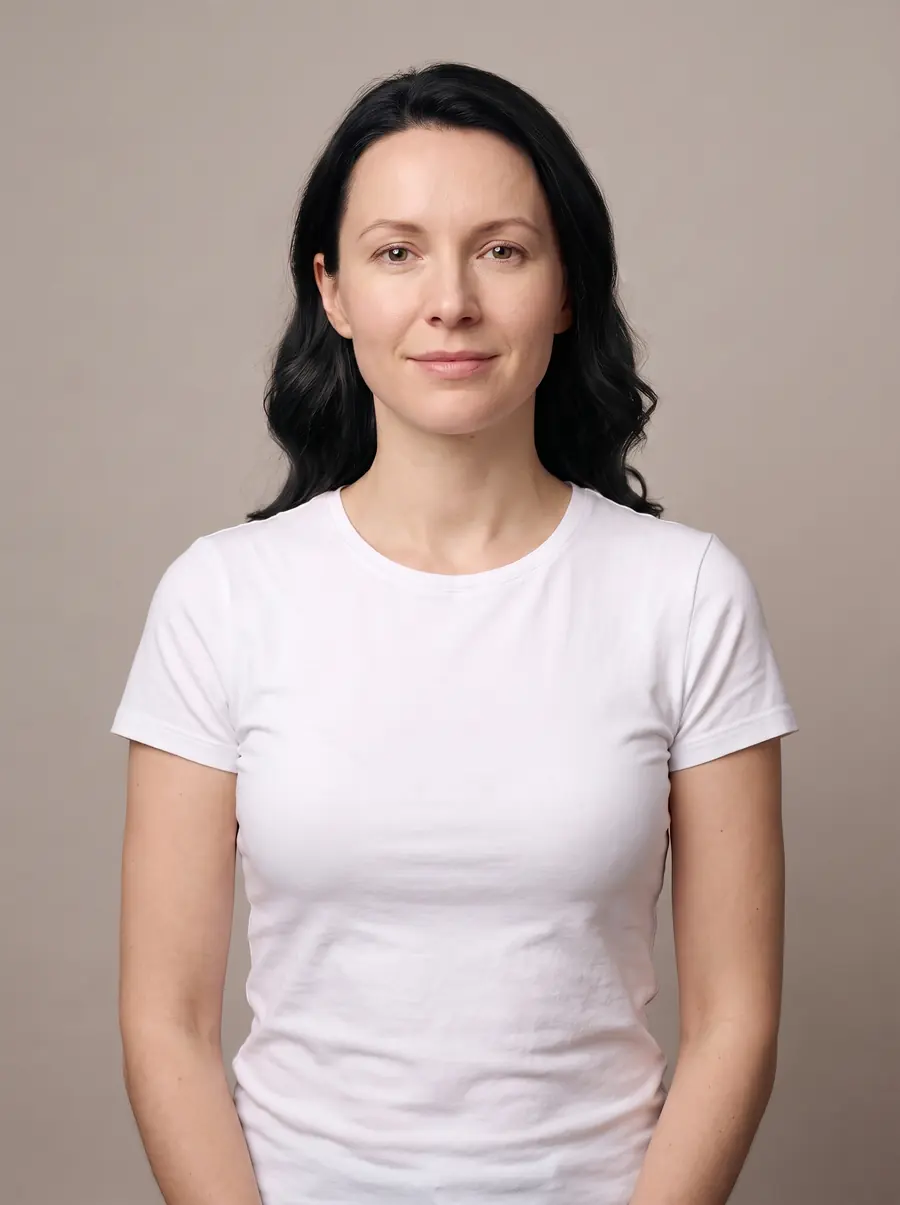
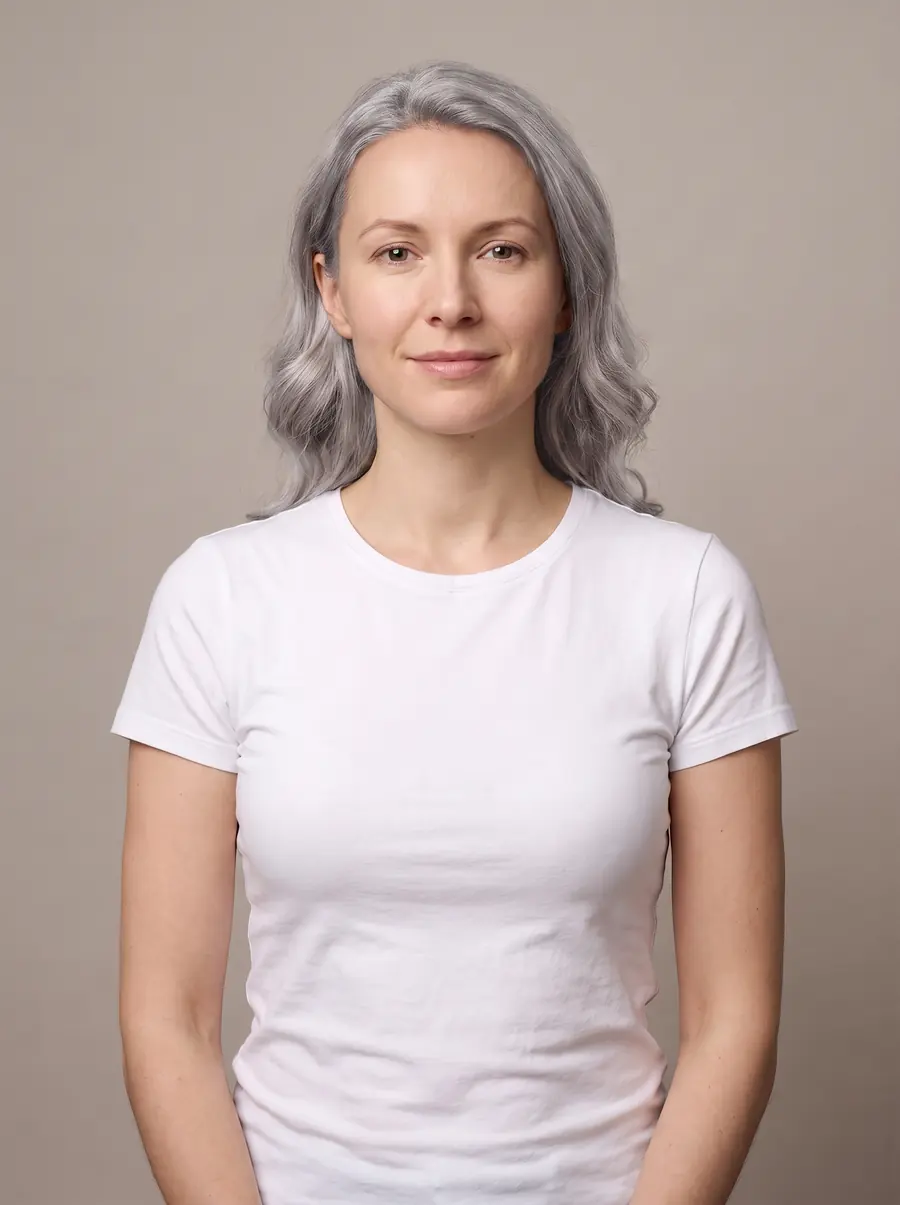
AI try-on example
Original medium brown
Find your hair color. Try a new one.
Tap your hair in a photo to find its level and tone, or let AI read your hair type and color. Then see which clothing colors suit it. The photo shows one AI-generated model, recolored with FitInView's hair try-on.
Match your hair color from a photo
Tap-to-match reads your photo on this device. Nothing is uploaded unless you choose the AI hair analysis.
No photo handy?
After choosing a photo, you can also let AI estimate your hair type and color.
To analyze your hair, the photo is sent to FitInView's server, analyzed by an AI model and not stored. You get your hair type, length, thickness and color.
Tap a well-lit spot on the mid-lengths of your hair.
Keyboard: focus the photo, move the crosshair with the arrow keys (hold Shift for bigger steps) and press Enter to add a spot.
- Add a photo taken in daylight, without a filter.
- Tap two to five spots on the mid-lengths of your hair where the light is even. Skip the roots, shiny highlights and shadows.
- Optional: switch to Tap white and tap something white or light gray in the same photo, like a T-shirt or a wall. That corrects a yellow or blue color cast.
Or try a new color on your own photo
Pick a shade and FitInView changes only your hair color in your selfie: your face, hairstyle and clothes stay as they are. See it on one face in six colors first.
Opens FitInView's hair color try-on. You upload your photo there, not on this site. Your first try-on is included with a free account. No card needed.
 Platinum: try it on your own photo
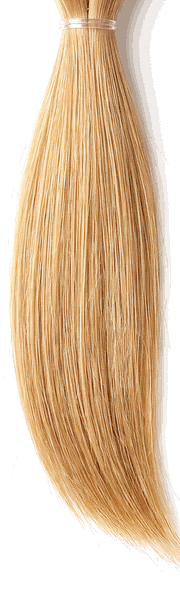 Golden blonde: try it on your own photo
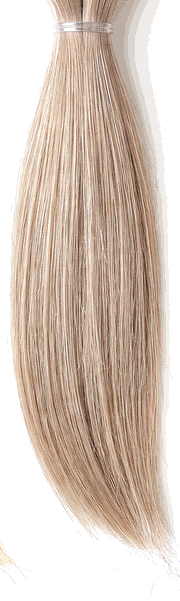 Ash blonde: try it on your own photo
 Strawberry blonde: try it on your own photo
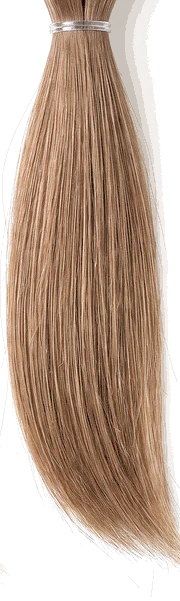 Light brown: try it on your own photo
 Chocolate brown: try it on your own photo
 Auburn: try it on your own photo
 Copper red: try it on your own photo
 Black: try it on your own photo
 Silver gray: try it on your own photo
What colors look good with my hair?
Pick the lock closest to your hair on the swatch ring. You get the clothing colors that tend to work with it, the ones to wear with care, and an outfit to start from. Undertone is optional.
Your hair color
Choose a lock on the ring to see your colors, or match your hair from a photo first. With a keyboard, the arrow keys move along the ring.
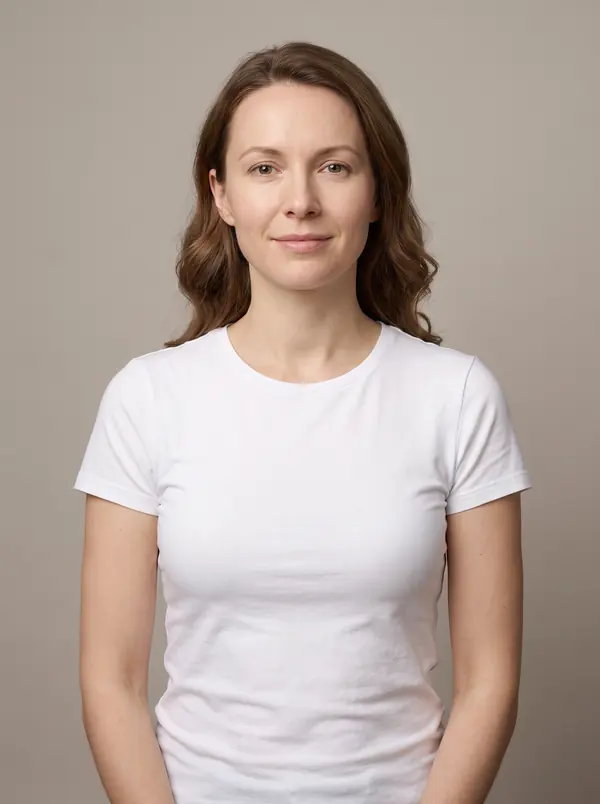
AI try-on example
Same person, new hair
One photo, six hair colors: the original medium brown plus five versions made with FitInView's hair color try-on. Only the hair was edited: same face, same tee, same light. Watch how much the white tee and her skin seem to shift as the hair goes from platinum to black.
The starting photo: medium brown hair and a plain white tee.
Try this color on your photo: platinum
The starting photo is an AI-generated model, not a real customer.
AI try-on example
Same hair, different clothing colors
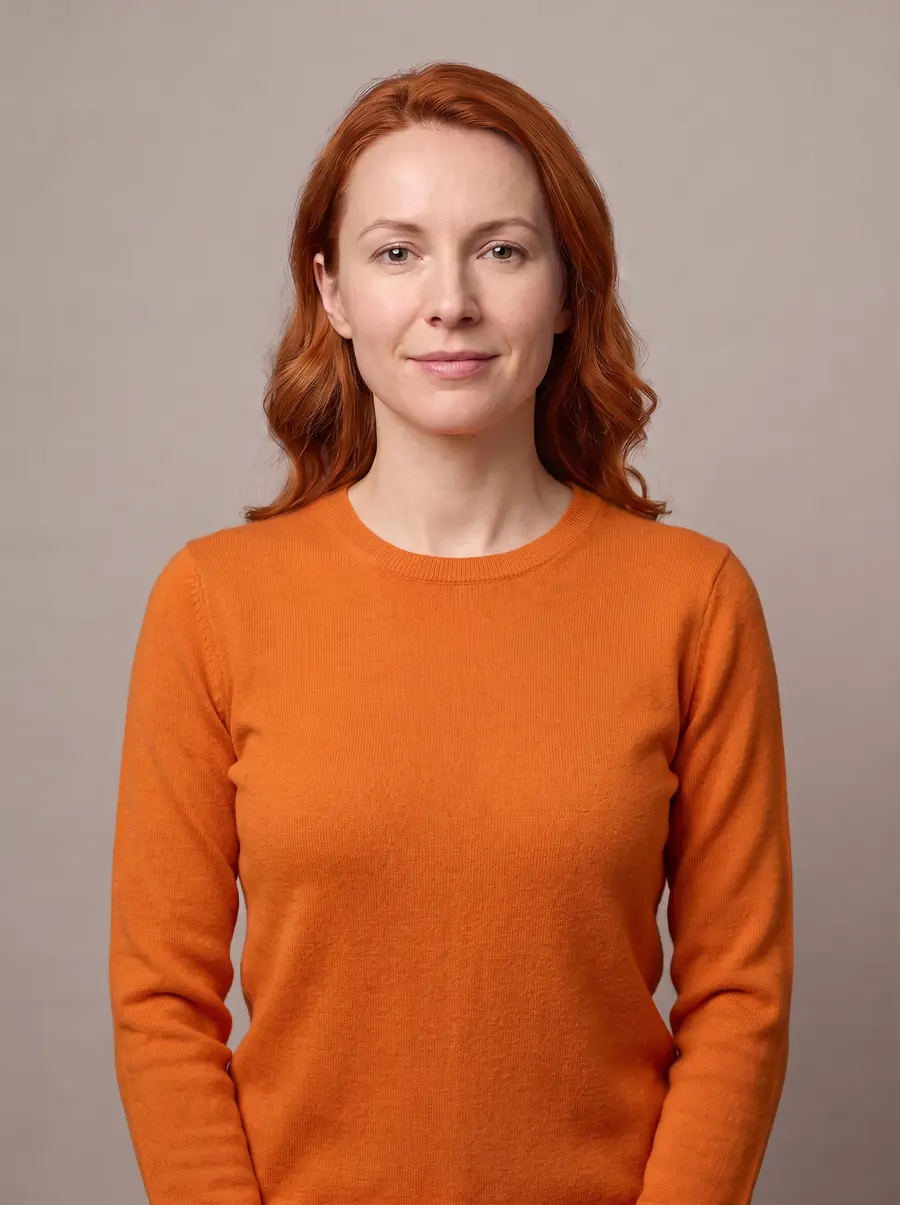
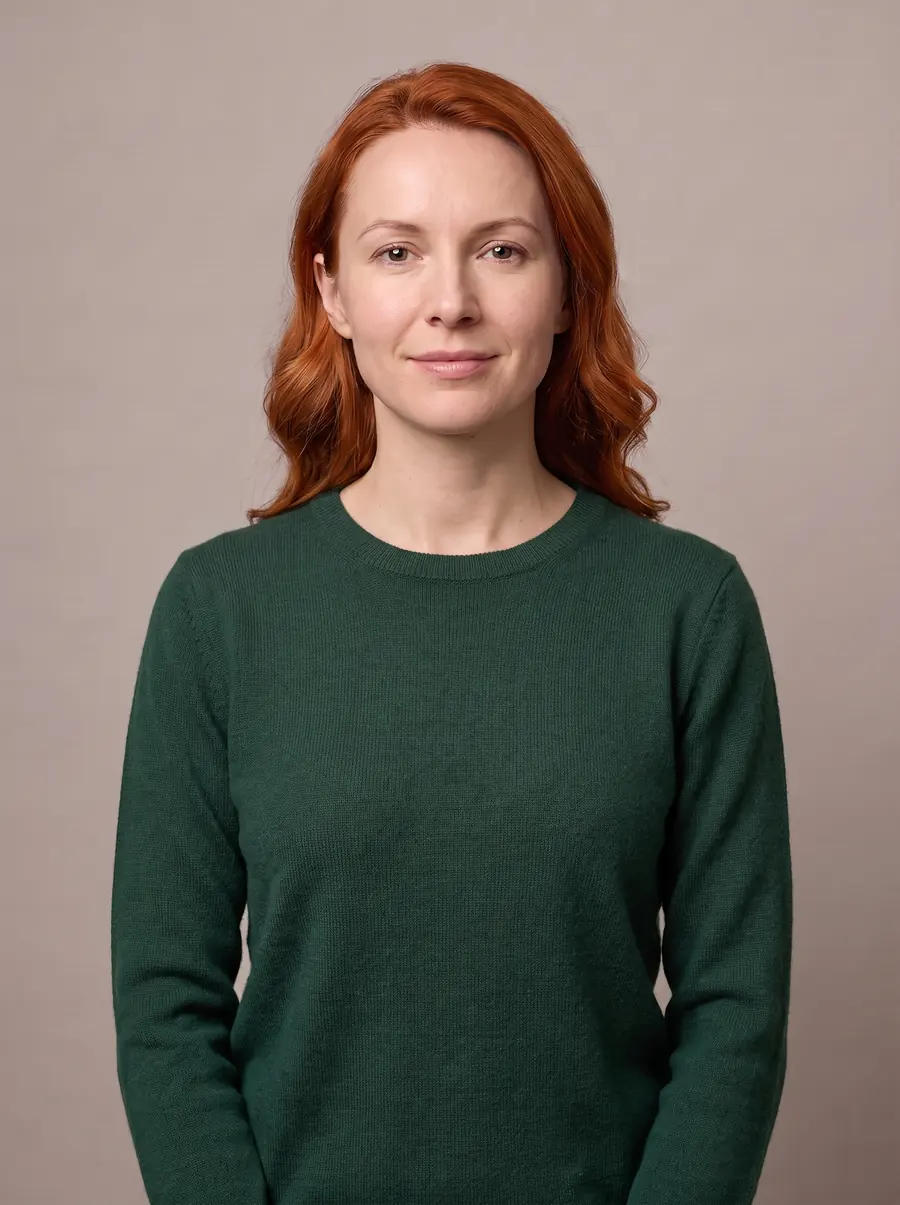
The copper-haired photo in three sweaters, plus a man with salt-and-pepper hair in two. Drag the divider, or focus it and use the arrow keys.
Forest green sits across the color wheel from copper, so the hair looks redder and her face has a clear frame. The orange sweater is nearly the hair color: hair and knit run together into one warm block.
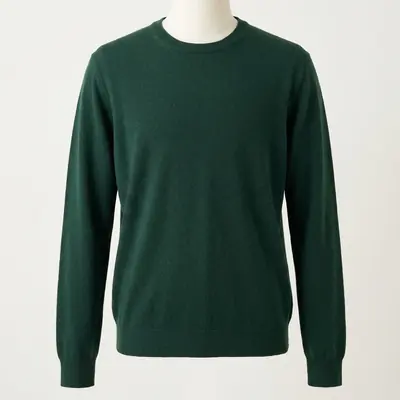
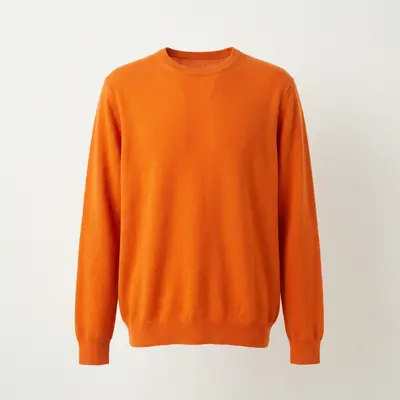
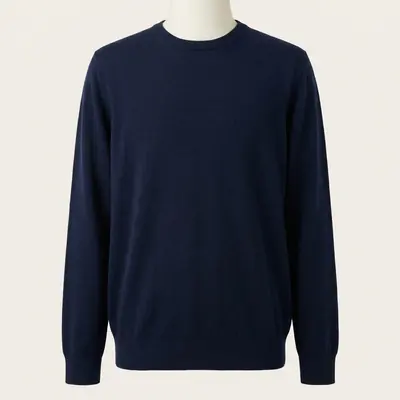
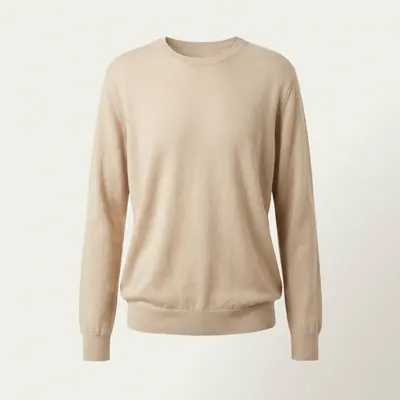
Each result was made from one person photo and one product photo, like the four sweater photos shown here.
Matching your hair color for dye, roots, extensions and wigs
Whatever you are matching, the vocabulary is the same: a level for how light or dark, and a tone for which way the color leans. Get those two right and the shade numbers on boxes and color rings start to make sense.
Reading the numbers on the ring
Colorists label shades with a level and a tone, which is what the tags on the swatch ring show. The first number is the level, how light or dark the hair is:
The digits after the dot are tones. The first is the main tone, a second digit adds a secondary one, and a doubled digit means intense: 7.44 is a medium blonde with intense copper, 4.35 a medium brown with gold and mahogany.
- .0 natural
- .1 ash
- .2 violet or pearl
- .3 gold
- .4 copper
- .5 mahogany
- .6 red
- .7 matte or brown (varies)
This is the common international convention. Brands differ in places, especially for .2, .7 and .8, and some use letters instead (N natural, A ash, G gold, C copper, R red). Read your brand's own chart.
Root touch-ups and permanent dye
Match the level and tone of the lengths you want to keep, judged in daylight at the mid-lengths. One level is a small but visible step; two levels reads as a different shade. If you are torn between two, the lighter one is usually the safer pick, because going darker later is easier than taking color out. A strand test shows how the shade takes on your hair before you commit.
Going lighter
Permanent dye usually lifts natural, undyed hair by about one or two levels. It does not lighten hair that is already dyed. Bigger jumps usually need lightener (bleach) and then a toner, and lightened hair tends to pass through red, orange and yellow on the way up. For more than a couple of levels, a colorist is the safer route.
Extensions and wigs
Match the mid-lengths and ends, not the roots, since that is the hair extensions sit against. Check in daylight, by a window. Between two shades, a half shade lighter usually blends more easily than a darker one. Hair with several tones often blends best with a mixed or highlighted shade. Compare against the brand's own color ring or a sample strand: shade names and numbers are not shared between brands.
What decides which clothing colors suit you
Matching your outfit to your hair color comes down to three things you can see in a mirror. None of them is a strict rule; they explain why some combinations look easy and others need work.
Your hair is the biggest color near your face
Hair frames the face from three sides, so it sets the tone before any clothing does. A sweater that repeats the hair color blurs into it; one that contrasts gives the face an edge. That is why orange can swallow copper hair while forest green makes it glow.
Undertone picks warm or cool versions
Skin undertone is the warm (golden, peachy), cool (pink, bluish) or neutral cast under your surface color. It rarely rules out a whole color, but it often decides between versions: tomato red or cherry red, cream or optic white, gold or silver jewelry.
Contrast sets how bold you can go
Compare how dark your hair is with how light your skin is. High contrast (black hair, fair skin) carries crisp, strong combinations. Low contrast (light blonde on fair skin, or dark hair on deep skin) tends to look best when the outfit adds depth or color in a measured way.
Guides by hair color
Each guide covers the sub-shades, colors that tend to work, colors to handle carefully, neutrals, metals and a few outfit formulas.
Colors to wear with blonde hair
Platinum, golden, ash and strawberry: which clothing colors give light hair definition, and which pale shades blend into it.

Colors to wear with brown hair
From light brown to deep chocolate: jewel tones, cream, and why brown clothing at your hair's depth goes flat.
Colors to wear with red hair
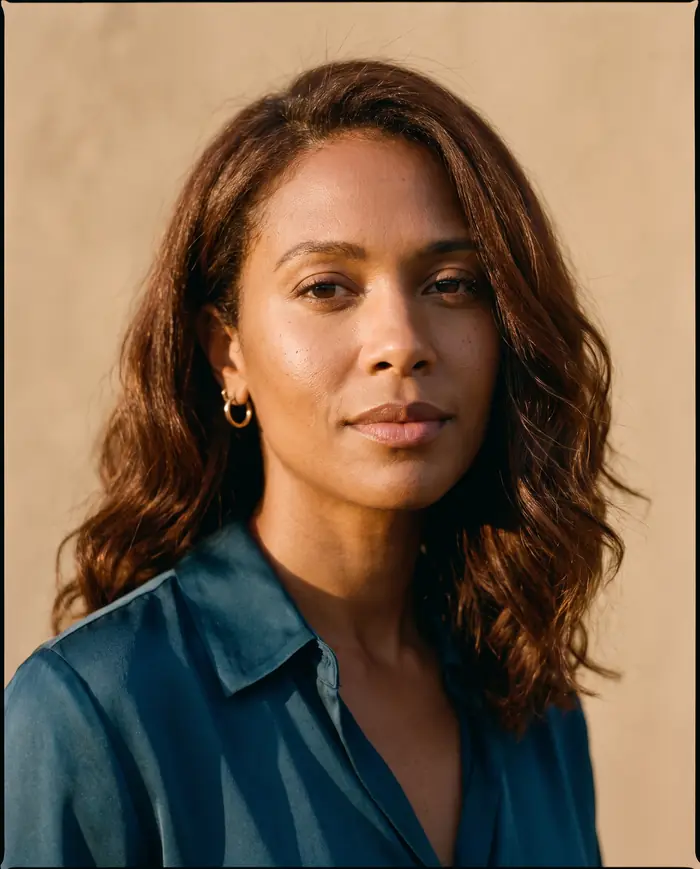
Copper, auburn and strawberry blonde: why greens and blues work, and what to do about orange, pink and red.

Colors to wear with black hair
Crisp contrast, clear brights and jewel tones, plus the few dark shades that merge with black hair.
Colors to wear with gray hair
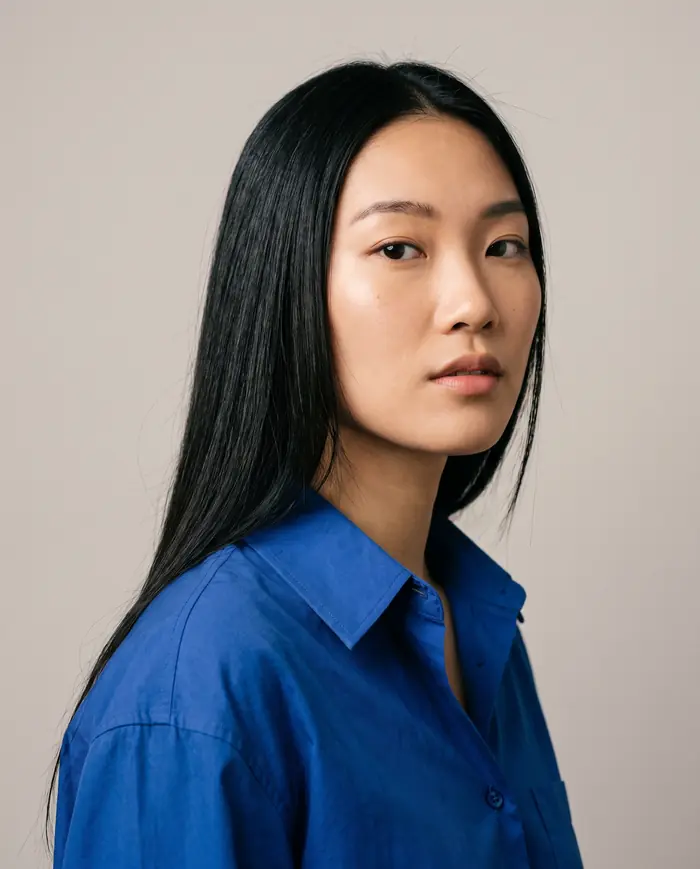
Silver, white and salt-and-pepper: colors that keep gray looking bright and deliberate rather than tired.

Questions people ask
How do I find my hair color number?
Look at your hair in daylight, at the mid-lengths rather than the roots or the sun-lightened ends, and compare it with a level chart: 1 is black, 10 the lightest blonde. Then decide the tone: does it lean ash (cool, smoky), gold, copper, red or neither (natural)? Together that gives a number like 6.3 or 6G. The photo matcher on this page gives you an estimate to start from; a colorist can confirm it in person.
What is my hair type?
Hair type is usually described with a number and a letter. The number is the pattern: 1 straight, 2 wavy, 3 curly, 4 coily. The letter, A to C, goes from looser to tighter within that pattern, so 2A is a loose, barely-there wave and 4C a very tight coil with little visible pattern. Many people have two or three types on one head, and heat styling or brushing changes how hair looks in a photo. The optional AI hair analysis in the photo tool gives an estimate from one photo; treat it as a starting point.
How accurate is matching hair color from a photo?
It is a useful estimate, not a measurement. Room light, the camera's automatic processing and your screen all shift color, and hair itself changes from root to end. Daylight, no filter and a white-balance tap make the estimate steadier, but for dye, extensions or a wig, confirm the shade against the brand's own color ring or a sample strand. The AI hair analysis is an estimate from one photo too, with the same limits.
What colors look good with my hair color?
Start with two questions: is your hair light or deep, and does it lean warm (gold, copper, red) or cool (ash, platinum, silver)? Light hair usually needs some depth in the outfit near the face, deep hair handles strong contrast, and colors opposite your hair's warmth on the color wheel (blue-greens for copper, blues for gold) tend to make the hair look richer. The clothing color finder on this page turns that into a concrete list for ten common shades.
Does skin undertone matter more than hair color?
Both matter, and they work together. Hair is the biggest block of color right next to your face, so it sets the contrast level of the whole look. Undertone mostly decides whether the warm or cool versions of a color look better on your skin. If you know your undertone, set it in the finder: it moves the colors marked for that undertone to the top of the list and adds a note.
Which colors are best for redheads, and which should they avoid?
Forest green, teal, navy and cream are the usual favorites for copper and auburn hair. Bright orange is the most common problem, because it matches the hair and the two blur together. Hot pink and a second strong red near the face tend to compete with the hair. See the red hair guide for sub-shades.
What colors go with gray or silver hair?
Clear, mid-to-deep colors such as navy, burgundy, berry, cobalt and emerald usually keep gray looking bright and deliberate. Beige, greige, khaki and mustard right at the neckline are the shades to test carefully, since they can make silver look yellowed or tired. More in the gray hair guide.
What do hair color numbers like 7.44 or 8.3 mean?
Most professional hair color uses a level and tone system. The number before the dot is the level, from 1 (black) to 10 (lightest blonde). The digits after the dot are tones: the first is the main tone, the second a secondary one, and a repeated digit means intense. So 7.44 is a medium blonde with intense copper, and 8.3 is a light golden blonde. Tone numbering differs a little between brands, and some use letters instead (such as 6N or 7A), so check the chart of the brand you use.
I'm thinking of dyeing my hair. Will my clothes still work?
Usually most of your wardrobe will, but the edges move. Going lighter tends to make pale neutrals near the face blend in, and going warmer (copper, golden) can make oranges and mustards compete. Pick your new shade in the finder to see what changes, or try the new hair color on your own photo before you book the appointment.